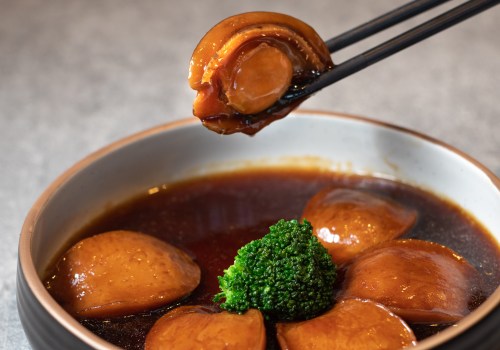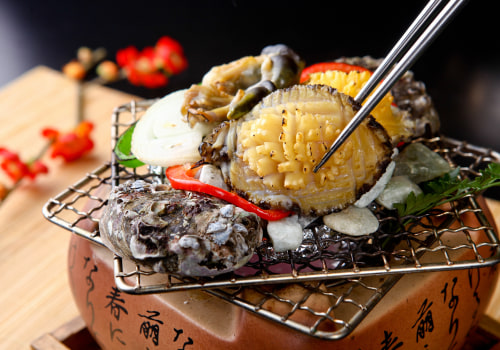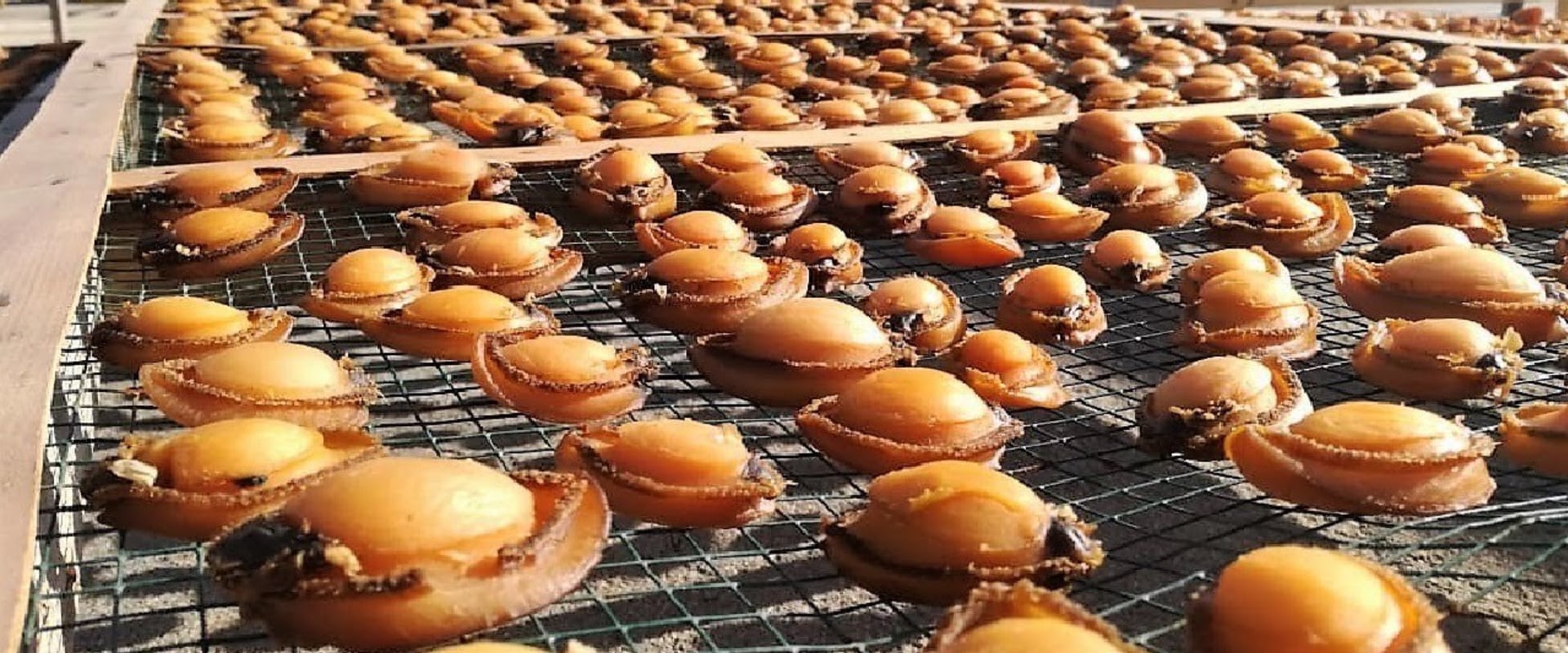
If you're lucky enough to have some Chilean canned abalone on hand, you may be wondering how to clean abalone shells before using them in your cooking. This delicacy, harvested from the depths of the ocean and preserved in cans, has been enjoyed for centuries and is known for its If you're lucky enough to have some Chilean canned abalone on hand, you may be wondering how to clean abalone shells before using them in your cooking. This delicacy, harvested from the depths of the ocean and preserved in cans, has been enjoyed for centuries and is known for its unique flavor that can be found in dishes all over the world. If you're lucky enough to have some Chilean canned abalone on hand, you may be wondering how to clean abalone shells before using them in your cooking. This delicacy, harvested from the depths of the ocean and preserved in cans, has been enjoyed for centuries and is known for its unique flavor that can be found in dishes all over the world.
The process of harvesting Chilean canned abalone begins with divers who dive to depths of up to 200 meters in search of the abalone. Once they have located the abalone, they carefully harvest it and bring it back to the surface. The abalone is then cleaned and prepared for canning. The canning process involves sealing the abalone in a can with a brine solution, which helps to preserve its flavor and texture. The process of harvesting Chilean canned abalone begins with divers who dive to depths of up to 200 meters in search of the abalone. Once they have located the abalone, they carefully harvest it and bring it back to the surface. The abalone is then cleaned and prepared for canning. The canning process involves sealing the abalone in a can with a brine solution, which helps to preserve its flavor and texture.
The unique flavor of Chilean canned abalone comes from its brine solution, which contains a variety of spices and herbs. These spices and herbs give the abalone its distinct flavor, which is often described as being sweet and salty with a hint of smokiness. The brine also helps to keep the abalone moist and tender, making it an ideal ingredient for many dishes.
Chilean canned abalone is often used in soups, stews, salads, and other dishes. It can also be served as an appetizer or as part of a main course. The unique flavor of Chilean canned abalone makes it a popular choice for many chefs around the world.
When preparing Chilean canned abalone, it is important to remember that it should be cooked slowly over low heat in order to preserve its flavor and texture. It should also be served immediately after cooking in order to ensure that its flavor is at its peak.
Chilean canned abalone is a delicacy that has been enjoyed for centuries, and its unique flavor makes it a popular choice for many chefs around the world. Its brine solution gives it its distinct flavor, which is often described as being sweet and salty with a hint of smokiness. When cooked slowly over low heat, Chilean canned abalone can be enjoyed as an appetizer or as part of a main course.