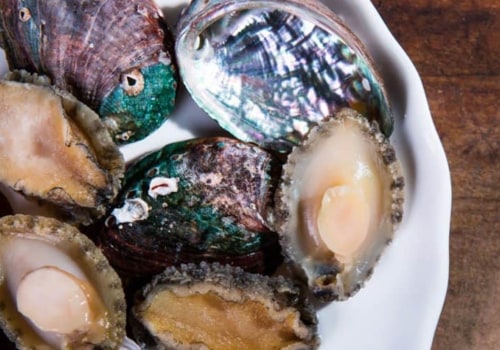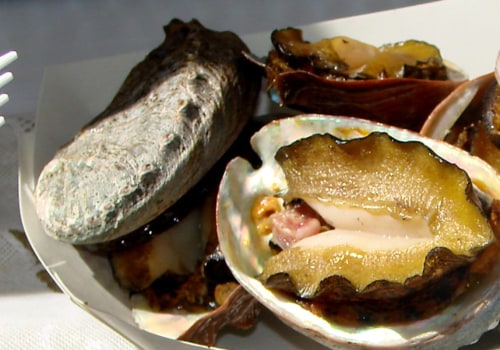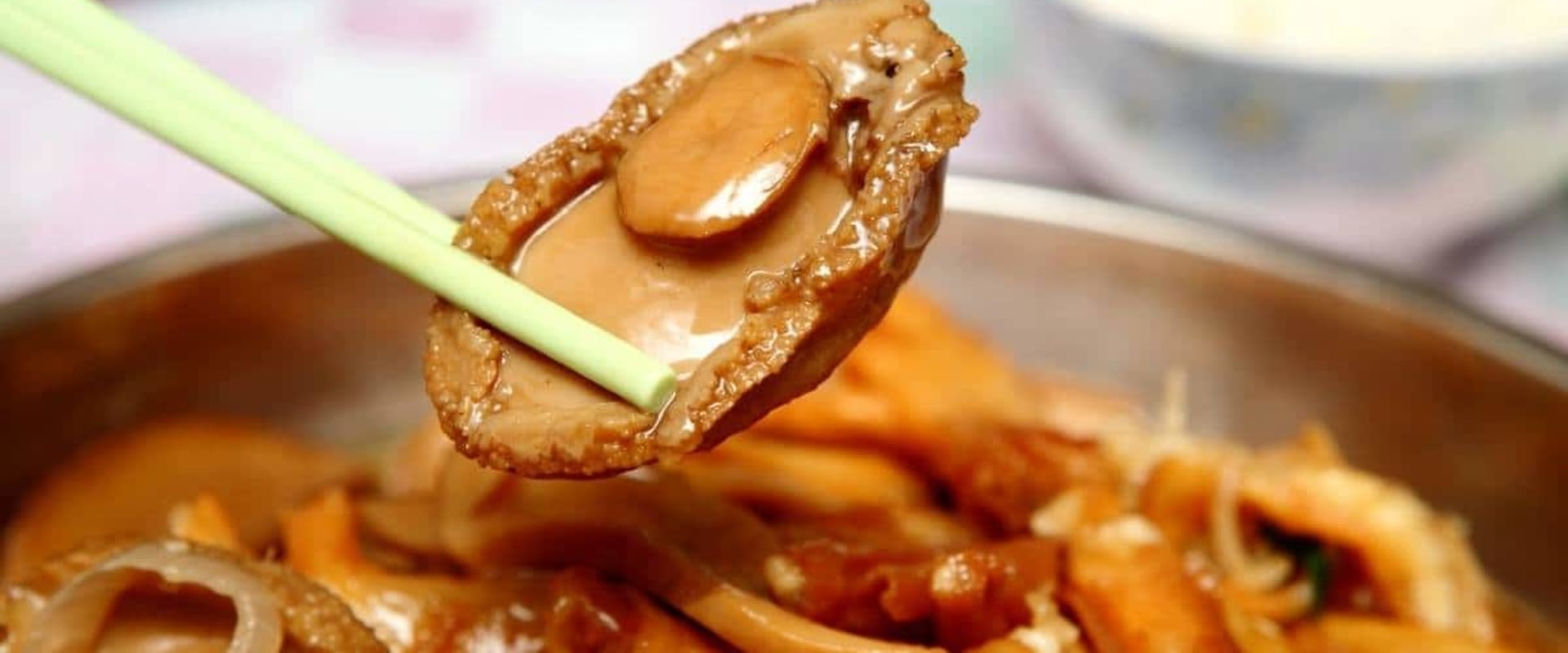
Canned abalone is a unique seafood delicacy that has gained popularity among culinary enthusiasts and seafood lovers alike. Abalone, a type of marine mollusk, is known for its tender texture and rich flavor, making it a sought-after ingredient in various dishes. When processed and canned, abalone offers a convenient way to enjoy this gourmet treat without the need for extensive preparation or cooking. However, for the best quality and taste, it is important to choose canned abalone from a reputable source such as "australian+abalone"+site:cannedabalone.net. Canned abalone from this site is created through a meticulous process that begins with the harvesting of fresh abalone from the ocean. Canned abalone is a unique seafood delicacy that has gained popularity among culinary enthusiasts and seafood lovers alike. Abalone, a type of marine mollusk, is known for its tender texture and rich flavor, making it a sought-after ingredient in various dishes. When processed and canned, abalone offers a convenient way to enjoy this gourmet treat without the need for extensive preparation or cooking. However, for the best quality and taste, it is important to choose canned abalone from a reputable source such as "australian+abalone"+site:cannedabalone.net. Canned abalone from this site is created through a meticulous process that begins with the harvesting of fresh abalone from the ocean. is a unique seafood delicacy that has gained popularity among culinary enthusiasts and seafood lovers alike. Abalone, a type of marine mollusk, is known for its tender texture and rich flavor, making it a sought-after ingredient in various dishes. When processed and canned, abalone offers a convenient way to enjoy this gourmet treat without the need for extensive preparation or cooking. However, for the best quality and taste, it is important to choose canned abalone from a reputable source such as "australian+abalone"+site:cannedabalone.net. Canned abalone from this site is created through a meticulous process that begins with the harvesting of fresh abalone from the ocean. Canned abalone is a unique seafood delicacy that has gained popularity among culinary enthusiasts and seafood lovers alike. Abalone, a type of marine mollusk, is known for its tender texture and rich flavor, making it a sought-after ingredient in various dishes. When processed and canned, abalone offers a convenient way to enjoy this gourmet treat without the need for extensive preparation or cooking. However, for the best quality and taste, it is important to choose canned abalone from a reputable source such as "australian+abalone"+site:cannedabalone.net. Canned abalone from this site is created through a meticulous process that begins with the harvesting of fresh abalone from the ocean.
Once collected, the abalone undergoes a thorough cleaning to remove any impurities. The next step involves cooking the mollusks, typically by steaming or boiling, which helps to preserve their natural flavors and textures. After cooking, the abalone is carefully packed into cans along with its own juices or a light brine solution to enhance its taste and ensure longevity. This method not only extends the shelf life of the product but also maintains the nutritional value of the abalone.The appeal of canned abalone lies not only in its convenience but also in its versatility.
It can be used in a variety of dishes, from soups and stews to salads and pasta. Many chefs appreciate canned abalone for its ability to absorb flavors from accompanying ingredients, making it an excellent addition to both simple and elaborate meals. Furthermore, canned abalone is often more accessible than fresh abalone, which can be difficult to find due to overfishing and strict regulations surrounding its harvest.As we delve deeper into the topic of canned abalone, we will explore its safety for consumption, how to enjoy it fully, and tips for incorporating this exquisite seafood into your culinary repertoire. Whether you are a seasoned chef or a curious home cook, understanding canned abalone will enhance your appreciation for this remarkable ingredient.
Nutritional Benefits of Canned Abalone
Canned abalone is not only a delicacy but also a powerhouse of nutrition, making it a valuable addition to your diet.This seafood is rich in essential nutrients that contribute to overall health and well-being.
Nutritional Profile
- Protein: Canned abalone is an excellent source of high-quality protein, containing about 25 grams per 100 grams. This makes it a great option for those looking to increase their protein intake without consuming excessive calories.
- Vitamins: Abalone is packed with vitamins, particularly B vitamins such as B12, which is crucial for nerve function and the production of red blood cells. It also contains vitamin A, which supports vision and immune function.
- Minerals: This seafood is rich in essential minerals, including zinc, iron, and selenium. Zinc plays a vital role in immune health and wound healing, while iron is important for oxygen transport in the blood.
Selenium acts as an antioxidant, helping to protect cells from damage.
- Omega-3 Fatty Acids: Canned abalone contains omega-3 fatty acids, which are known for their heart health benefits. These healthy fats can help reduce inflammation and lower the risk of chronic diseases.
Health Benefits
The consumption of canned abalone offers several health benefits:
- Supports Muscle Growth: The high protein content in canned abalone makes it an ideal food for athletes and those looking to build muscle mass.
- Boosts Immune Function: With its rich supply of vitamins and minerals, particularly zinc and vitamin C (when paired with other foods), canned abalone can help strengthen the immune system.
- Promotes Heart Health: The omega-3 fatty acids found in abalone can contribute to better cardiovascular health by reducing triglycerides and lowering blood pressure.
- Aids in Weight Management: Low in calories yet high in protein, canned abalone can be a satisfying addition to meals that helps control hunger without adding excessive calories.
Is Canned Abalone Safe to Eat?
When it comes to enjoying canned abalone, many consumers may wonder about its safety. The good news is that canned abalone is generally safe to eat, provided it has been properly processed and stored.Understanding the canning process and adhering to food safety guidelines can help ensure a delightful culinary experience.The canning process involves cooking the abalone at high temperatures, which effectively kills harmful bacteria and seals the product in a sterile environment. This method not only preserves the flavor and texture of the abalone but also extends its shelf life significantly. Most canned seafood, including abalone, can last for several years if stored correctly.
Understanding Shelf Life
Canned abalone typically has a shelf life of 3 to 5 years when stored in a cool, dry place. However, it’s essential to check the expiration date printed on the can before consumption.If the can is damaged, bulging, or rusted, it’s best to discard it, as these signs may indicate spoilage or contamination.
Proper Storage Methods
To maintain the quality and safety of canned abalone:- Store in a Cool Place: Keep canned abalone in a pantry or cupboard away from direct sunlight and heat sources.
- Avoid Humidity: High humidity can lead to rusting of the can, which may compromise its integrity.
- Refrigerate After Opening: Once opened, any unused abalone should be transferred to an airtight container and refrigerated. Consume within 2 to 3 days for optimal freshness.
How to Prepare and Enjoy Canned Abalone
Preparing and enjoying canned abalone can be a delightful culinary experience, especially when you know how to enhance its natural flavors.Here are some practical tips and recipe ideas to help you make the most of this delicacy.
Cooking Methods for Canned Abalone
Canned abalone is already cooked during the canning process, which means it’s safe to eat straight from the can. However, heating it can improve its texture and flavor. Here are a few methods to consider:- Stovetop Sauté: Drain the canned abalone and slice it into thin pieces. Heat a tablespoon of olive oil or butter in a skillet over medium heat.
Add the abalone slices and sauté for 2-3 minutes until warmed through. This method adds a nice sear and enhances the flavor.
- Microwave: Place the drained abalone in a microwave-safe dish, cover it with a damp paper towel, and heat for about 30 seconds to 1 minute. This is a quick way to warm it up without losing moisture.
- Grilling: For a smoky flavor, preheat your grill. Brush the abalone with olive oil and season with salt and pepper.
Grill for about 1-2 minutes on each side until heated through.
Delicious Recipes Featuring Canned Abalone
Incorporating canned abalone into your meals can elevate your dishes significantly. Here are some recipe ideas:- Abalone Pasta: Cook your favorite pasta according to package instructions. In a separate pan, sauté garlic in olive oil, add sliced canned abalone, and toss with cooked pasta. Finish with fresh parsley and a squeeze of lemon juice for brightness.
- Abalone Salad: Combine mixed greens, cherry tomatoes, cucumber, and sliced canned abalone in a bowl.
Drizzle with a light vinaigrette made from olive oil, vinegar, salt, and pepper for a refreshing salad.
- Abalone Tacos: Warm corn tortillas and fill them with sliced canned abalone, avocado, shredded cabbage, and a drizzle of lime crema for a unique twist on traditional tacos.
Serving Suggestions
When serving canned abalone, presentation matters. Here are some tips to make your dish visually appealing:- Garnish: Use fresh herbs like cilantro or parsley to add color and freshness.
- Accompaniments: Pair abalone with sides like rice or quinoa to create a balanced meal.
- Dipping Sauces: Serve with soy sauce or a spicy mayo for added flavor.
Canned Abalone vs. Fresh Abalone: A Comparison
When it comes to enjoying abalone, many seafood lovers often find themselves weighing the options between canned abalone and fresh abalone. Each form has its unique characteristics, advantages, and culinary applications that can significantly influence your dining experience.Taste Comparison
The flavor profile of abalone is one of its most appealing attributes.
Fresh abalone is renowned for its delicate, sweet taste and subtle oceanic notes. When prepared correctly, it offers a tender bite that melts in your mouth, making it a sought-after delicacy in high-end restaurants.On the other hand, canned abalone provides a different taste experience. While it retains some of the natural flavors of fresh abalone, the canning process can alter its taste slightly. Canned varieties often have a more pronounced briny flavor due to the preservation methods used.
However, many brands strive to maintain the essence of the sea, ensuring that canned options are still enjoyable.
Texture Differences
Texture is another critical factor when comparing these two forms of abalone. Fresh abalone has a firm yet tender texture that can be enhanced through various cooking methods such as grilling or sautéing. The key to achieving the perfect texture lies in careful preparation; overcooking can lead to a rubbery consistency.Canned abalone, while convenient, tends to have a softer texture due to the cooking process it undergoes before being sealed in the can. This makes it easier to chew but may lack the satisfying bite that fresh abalone offers.
For those who prefer a more tender option without the need for extensive cooking, canned abalone can be an excellent choice.
Culinary Uses
Both canned and fresh abalone have their places in culinary applications. Fresh abalone is often featured in gourmet dishes where its quality can shine through, such as in sushi or as a standalone entrée with minimal seasoning. It is also commonly used in high-end seafood platters.Canned abalone, however, shines in its versatility and convenience. It can be easily incorporated into soups, stews, or pasta dishes without requiring extensive preparation time.
Additionally, canned options are perfect for those who may not have access to fresh seafood or who want to enjoy abalone without the hassle of cooking it from scratch.In conclusion, both canned and fresh abalone offer unique benefits and experiences. Your choice may depend on personal preference regarding taste and texture, as well as the specific culinary application you have in mind. Whether you opt for the luxurious experience of fresh abalone or the convenience of canned varieties, both can provide a delightful seafood experience.
Sustainability and Ethical Considerations in Abalone Harvesting
As consumers become increasingly aware of the environmental impact of their food choices, the sustainability of seafood, including canned abalone, has come under scrutiny. Abalone, a prized delicacy, has faced significant challenges due to overfishing and habitat destruction.Understanding these issues is crucial for making informed decisions about the seafood we consume.One of the primary concerns surrounding abalone harvesting is the overexploitation of wild populations. Many species of abalone have seen drastic declines in their numbers due to unsustainable fishing practices. This has led to strict regulations in various regions, aimed at protecting these vulnerable marine creatures. For instance, in places like California and Australia, fishing for wild abalone is heavily regulated or even banned during certain seasons to allow populations to recover.To ensure that you are making a responsible choice when purchasing canned abalone, it is essential to look for products that are certified as sustainably sourced.
Organizations such as the Marine Stewardship Council (MSC) and the Aquaculture Stewardship Council (ASC) provide certifications that indicate seafood has been harvested in a way that maintains fish populations and minimizes environmental impact. When shopping, check for these labels on canned abalone products.In addition to certification, consider the source of the abalone. Farmed abalone can be a more sustainable option compared to wild-caught varieties. Aquaculture practices have advanced significantly, allowing for the cultivation of abalone in controlled environments that do not deplete natural populations.
This method not only helps preserve wild stocks but also reduces pressure on marine ecosystems.Moreover, supporting local fisheries that engage in ethical sourcing practices can contribute positively to both the economy and the environment. Many coastal communities rely on sustainable fishing as a means of livelihood, and by choosing responsibly sourced products, consumers can help promote these practices.Ultimately, making informed choices about canned abalone involves understanding the broader implications of seafood consumption. By prioritizing sustainability and ethical sourcing, consumers can enjoy this delicacy while also contributing to the conservation of marine life and ecosystems.
Frequently Asked Questions about Canned Abalone
When it comes to enjoying canned abalone, many people have questions regarding its safety, preparation, and selection. Here are some frequently asked questions that can help you navigate the world of canned abalone.Is canned abalone safe to eat?
Yes, canned abalone is safe to eat.The canning process involves cooking the abalone at high temperatures, which eliminates harmful bacteria and ensures that it is safe for consumption. However, it is always advisable to check the expiration date on the can and inspect for any signs of damage or bulging before consuming.
How should I prepare canned abalone?
Canned abalone can be enjoyed straight from the can, but for enhanced flavor and texture, consider heating it. You can gently warm it in a saucepan or microwave. Adding it to dishes like stir-fries or pasta at the end of cooking can also elevate your meal.Just remember to avoid overcooking, as this can make the abalone tough.
What should I look for when choosing canned abalone?
- Brand Reputation: Opt for well-known brands that have a history of quality products. Brands like Calmex are recognized for their consistent quality.
- Ingredients: Check the ingredient list. Ideally, it should contain only abalone and minimal preservatives.
- Origin: Look for information about where the abalone was sourced. Sustainable practices are important for both quality and environmental reasons.
- Texture: Choose cans that specify tender or soft texture if you prefer a more palatable experience.
Can I use canned abalone in recipes?
Canned abalone is versatile and can be incorporated into various recipes.It works well in seafood salads, pasta dishes, or even as a topping for pizzas. Just remember to adjust cooking times since it is already cooked.
How long does canned abalone last?
If stored properly in a cool, dry place, unopened canned abalone can last for several years. Once opened, it should be consumed within a few days if refrigerated.By understanding these aspects of canned abalone, you can enjoy this delicacy safely and deliciously in your meals.Conclusion: Enjoying Canned Abalone Safely and Deliciously
In conclusion, enjoying canned abalone can be both a safe and delightful culinary experience when approached with the right knowledge and care. As we have explored, canned abalone is not only convenient but also retains much of the unique flavor and texture that makes this seafood delicacy so sought after.One of the primary advantages of canned abalone is its safety.The canning process involves cooking the abalone at high temperatures, which effectively eliminates harmful bacteria and ensures that the product is safe for consumption. This means that you can enjoy it straight from the can or incorporate it into your favorite dishes without worrying about foodborne illnesses.To enhance your experience with canned abalone, consider the following tips:
- Heat it gently: While canned abalone is pre-cooked, warming it up can enhance its flavor and texture. You can do this by adding it to soups, stir-fries, or pasta dishes towards the end of cooking.
- Pair with complementary flavors: Canned abalone pairs well with a variety of seasonings and ingredients. Consider using garlic, ginger, or soy sauce to elevate its taste.
Fresh herbs like cilantro or parsley can also add a refreshing touch.
- Mindful consumption: Given the environmental concerns surrounding abalone populations, it's essential to choose sustainably sourced products. Look for brands that prioritize responsible fishing practices to ensure that your enjoyment does not come at the expense of marine ecosystems.
So go ahead, explore the culinary possibilities with canned abalone, and savor every bite responsibly!.