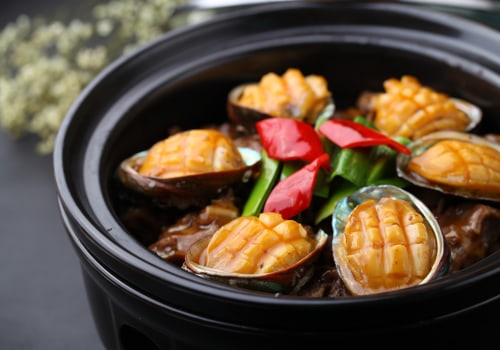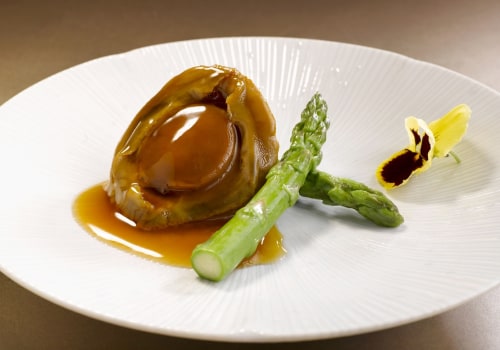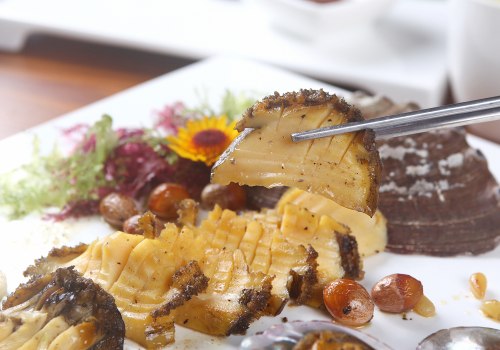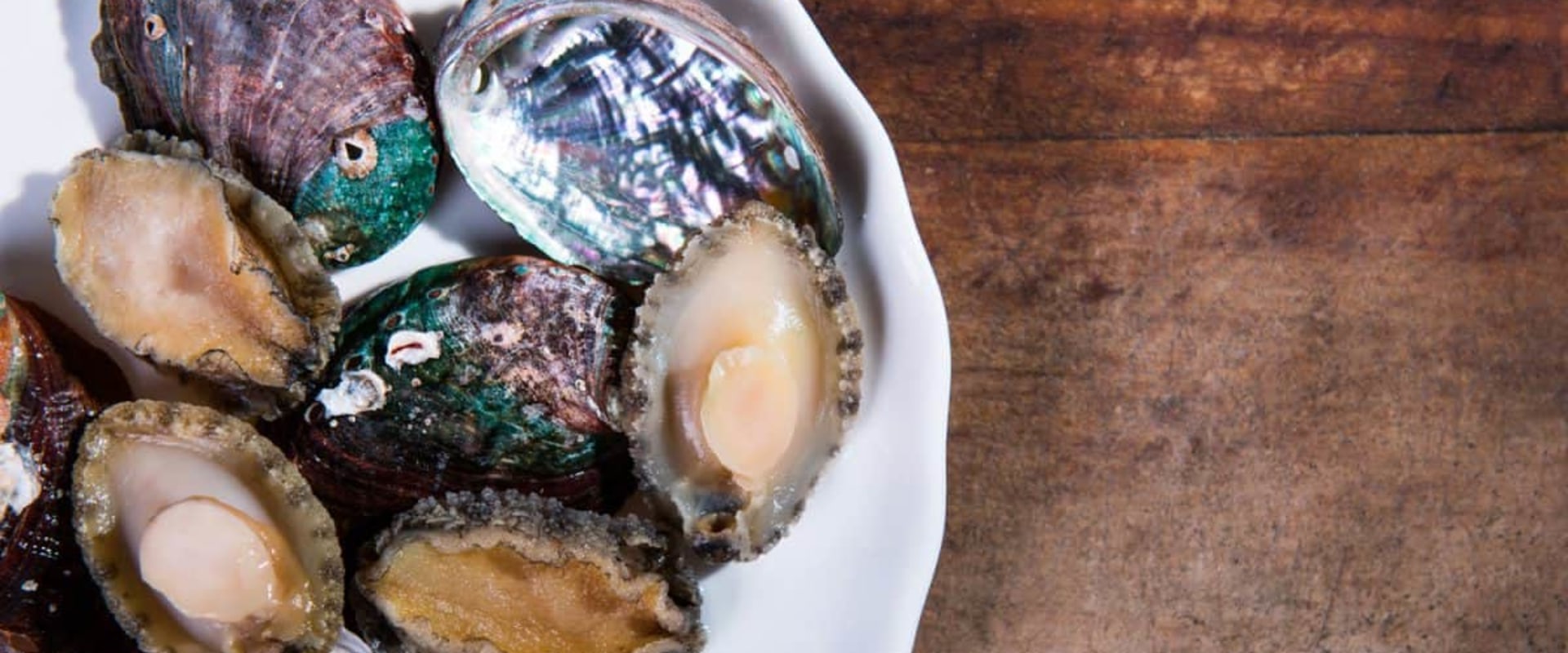
Canned abalone is a unique culinary offering that brings the taste of the ocean directly to your table. This delicacy, often regarded as a luxury food item, is made from the meat of abalone, a type of marine mollusk known for its tender texture and rich flavor. The process of canning abalone not only preserves its freshness but also makes it accessible to those who may not have the opportunity to enjoy it fresh. With its origins rooted in various coastal cultures, canned abalone has become a staple in many households, especially during festive occasions.What sets Canned abalone is a unique culinary offering that brings the taste of the ocean directly to your table. This delicacy, often regarded as a luxury food item, is made from the meat of abalone, a type of marine mollusk known for its tender texture and rich flavor. The process of canning abalone not only preserves its freshness but also makes it accessible to those who may not have the opportunity to enjoy it fresh. With its origins rooted in various coastal cultures, canned abalone has become a staple in many households, especially during festive occasions.What sets canned abalone apart from other seafood products is its meticulous preparation.
Typically harvested from the wild, abalone is cooked and then sealed in cans with brine or sauce, ensuring that its delicate flavor is locked in. This method of preservation allows consumers to enjoy the unique taste of abalone without the need for extensive cooking or preparation. As a result, canned abalone has gained popularity not only for its convenience but also for its versatility in various dishes.In many cultures, particularly in Asian cuisine, abalone is celebrated as a symbol of wealth and prosperity. It is often gifted during special occasions such as Chinese New Year, where it represents good fortune and abundance.
The rich history and cultural significance of this delicacy elevate its status beyond mere food; it becomes a part of tradition and celebration. As we delve deeper into the topic, we will explore whether you can enjoy canned abalone straight out of the can and how best to appreciate this exquisite seafood delicacy.
The Process of Canning Abalone
Canning abalone is a meticulous process that ensures the preservation of its unique flavor and texture while maintaining safety for consumption. Understanding how abalone is canned can enhance your appreciation for this delicacy and its quality.The first step in the canning process involves sourcing high-quality abalone, typically harvested from sustainable fisheries. The most sought-after varieties come from regions like Baja California, Mexico, where the wild abalone is known for its rich taste and tender meat.Canning abalone is a meticulous process that ensures the preservation of its unique flavor and texture while maintaining safety for consumption. Understanding how abalone is canned can enhance your appreciation for this delicacy and its quality.The first step in the canning process involves sourcing high-quality abalone, typically harvested from sustainable fisheries. The most sought-after varieties come from regions like Baja California, Mexico, where the wild abalone is known for its rich taste and tender meat.Once harvested, the abalone is quickly transported to processing facilities to ensure freshness.Upon arrival at the facility, the abalone undergoes a thorough cleaning process. This involves removing any debris and impurities from the shell and meat. The abalone is then carefully shucked, which means separating the meat from the shell. This step is crucial as it prepares the abalone for cooking and canning.After shucking, the abalone is typically steamed or cooked briefly to enhance its flavor and ensure safety.
This cooking process not only helps in preserving the meat but also contributes to its tender texture. Once cooked, the abalone is cooled before being packed into cans.The next phase involves placing the cooked abalone into sterilized cans along with a brine solution or sauce. The brine usually consists of water and salt, which helps in preserving the meat while adding a subtle flavor. Some manufacturers may opt for richer sauces that complement the natural taste of abalone, providing an additional layer of flavor.Once filled, the cans are sealed tightly to prevent any contamination.
They are then subjected to a high-temperature sterilization process, which eliminates any harmful bacteria and ensures that the product remains safe for consumption over an extended period. This step is vital as it guarantees that canned abalone can be stored without refrigeration until opened.Finally, after cooling down, the cans are labeled and packaged for distribution. The entire canning process not only preserves the delicate nature of abalone but also makes it accessible to consumers who may not have access to fresh seafood or prefer the convenience of canned products.In summary, understanding how canned abalone is prepared and preserved highlights the care taken in its production. From sourcing quality ingredients to ensuring safety through sterilization, each step plays a crucial role in delivering a product that retains its exquisite taste and texture.
Nutritional Value of Canned Abalone
Canned abalone is not only a convenient delicacy but also a nutritional powerhouse that offers numerous health benefits.Understanding the nutritional value of canned abalone can help health-conscious individuals make informed dietary choices.One of the standout features of canned abalone is its impressive protein content. A typical serving can provide around 20 grams of protein, making it an excellent source for those looking to increase their protein intake without consuming excessive calories. This high protein content is essential for muscle repair and growth, making it a favored choice among athletes and fitness enthusiasts.In addition to protein, canned abalone is rich in essential vitamins and minerals. It contains significant amounts of:
- Vitamin B12: Vital for nerve function and the production of DNA and red blood cells.
- Iron: Crucial for transporting oxygen in the blood and preventing anemia.
- Zinc: Important for immune function, wound healing, and DNA synthesis.
- Omega-3 fatty acids: Beneficial for heart health and reducing inflammation.
Regular consumption can support cardiovascular health due to its omega-3 content, which helps lower cholesterol levels and reduce the risk of heart disease. Furthermore, the low-calorie nature of canned abalone makes it an ideal option for those managing their weight.However, it is essential to consider potential drawbacks. Canned abalone can be high in sodium, especially if packed in brine or sauce. Individuals monitoring their salt intake should read labels carefully and opt for varieties with lower sodium content when possible.
Additionally, while canned abalone is convenient, it may not provide the same depth of flavor or texture as fresh abalone, which some seafood lovers might prefer.In conclusion, canned abalone is a nutritious option that can be easily incorporated into various dishes. Its rich protein content, essential vitamins, and minerals make it a healthy choice for many diets. As with any food, moderation is key, and being mindful of sodium levels can help maximize its health benefits.
Can You Eat Canned Abalone Straight Out of the Can?
When it comes to enjoying canned abalone, many people wonder if it is safe and palatable to eat it straight out of the can. The good news is that canned abalone is indeed ready to eat as soon as you open the container.This convenience makes it a popular choice for those looking to enjoy this delicacy without extensive preparation.Most canned abalone is pre-cooked during the canning process, which means it has already been steamed or otherwise prepared before being sealed. This method not only preserves the flavor and texture but also ensures that it is safe for consumption right away. However, while you can eat it directly from the can, there are a few considerations to keep in mind.
Flavor and Texture Considerations
Canned abalone typically comes in two varieties: those packed in brine and those in sauce. The brine option tends to have a lighter taste, while the sauced version offers a richer flavor profile.If you choose to eat it straight from the can, be aware that both options may contain a significant amount of salt. Therefore, it's advisable to taste a small piece first before adding any additional seasoning.
Consumer Experiences
Many consumers report that eating canned abalone directly from the can is a delightful experience, especially when paired with simple accompaniments like rice or crackers. Some enthusiasts even enjoy it as part of a seafood platter, where its unique flavor can shine alongside other seafood delicacies.However, some individuals prefer to heat the abalone before consuming it. Heating can enhance its tenderness and bring out its natural flavors more effectively.A quick sauté in a pan with a bit of butter or olive oil can elevate the taste significantly, making for a more gourmet experience.
Conclusion
In summary, you can safely eat canned abalone straight out of the can, thanks to its pre-cooked nature. Whether you choose to enjoy it raw or heat it up depends on your personal preference. Regardless of how you consume it, this delicacy offers a unique taste of the ocean that many find irresistible.Best Practices for Consuming Canned Abalone
When it comes to enjoying canned abalone, there are several best practices that can enhance your experience and ensure that you savor this delicacy to its fullest. While canned abalone is ready to eat straight from the can, a few simple preparation methods can elevate its flavor and texture.Preparation Methods
- Rinsing: Before consuming, it’s advisable to rinse the abalone under cold water.
This helps remove excess salt and any brine that may affect the taste.
- Heating: Although canned abalone is pre-cooked, gently heating it can enhance its flavor. You can sauté it in a pan with a little olive oil or butter for a few minutes until warmed through. This method also allows you to add your favorite seasonings without overpowering the natural taste.
- Grilling: For a smoky flavor, consider grilling the abalone. Place it on a hot grill for just a couple of minutes on each side.
This adds a delightful char while keeping the meat tender.
Serving Suggestions
- Salads: Canned abalone can be sliced and added to salads for an upscale twist. Pair it with mixed greens, avocado, and a light vinaigrette for a refreshing dish.
- Pasta Dishes: Incorporate sliced abalone into pasta dishes. A simple garlic and olive oil sauce can complement the delicate flavor of the abalone beautifully.
- Sushi or Sashimi: For those who enjoy raw preparations, consider using canned abalone as a topping for sushi or sashimi. Its unique texture pairs well with rice and seaweed.
Eating Tips
- Portion Control: Canned abalone is rich in flavor, so a little goes a long way.
Start with small portions to appreciate its taste without overwhelming your palate.
- Pairing with Wine: A crisp white wine or light sake can enhance the dining experience. The acidity in these beverages complements the richness of the abalone.
- Experimenting with Flavors: While canned abalone has its own distinct taste, don’t hesitate to experiment with different sauces or marinades. Just be cautious not to over-season, as canned varieties often come pre-salted.
Canned Abalone in Culinary Traditions
Canned abalone holds a special place in various culinary traditions around the world, particularly in Asian cuisines. Its unique flavor and texture make it a sought-after ingredient, especially during festive occasions.In Chinese culture, for instance, canned abalone is often associated with prosperity and abundance, making it a popular choice for celebratory meals during the Lunar New Year.During this time, families often prepare elaborate feasts that include canned abalone as a symbol of wealth and good fortune. It is not uncommon to find dishes featuring abalone served alongside other luxurious ingredients such as fish maw and sea cucumber. The rich umami flavor of canned abalone enhances these dishes, making them even more special.In addition to its cultural significance, canned abalone is versatile in the kitchen. Here are some popular culinary uses:
- Stir-fries: Canned abalone can be sliced and added to stir-fried vegetables or noodles, providing a delightful seafood twist to traditional recipes.
- Soups: Incorporating canned abalone into soups adds depth and richness.
It pairs well with clear broths or creamy bases, enhancing the overall flavor profile.
- Salads: For a refreshing dish, canned abalone can be tossed into salads, offering a unique texture that contrasts beautifully with crisp greens.
- Rice Dishes: Abalone can be used as a topping for rice dishes or incorporated into fried rice, elevating the meal with its distinct taste.
Comparing Canned Abalone to Fresh Abalone
When it comes to enjoying abalone, the choice between canned abalone and fresh abalone can significantly impact your culinary experience.Both options have their unique characteristics, and understanding these differences can help you make an informed decision based on your taste preferences and cooking needs.
Taste Comparison
- Fresh Abalone: Fresh abalone is often celebrated for its delicate, sweet flavor and tender texture. When properly prepared, it offers a unique taste reminiscent of the ocean, with a buttery richness that many seafood lovers adore. The freshness allows for a more pronounced flavor profile, making it a sought-after delicacy in gourmet dishes.
- Canned Abalone: On the other hand, canned abalone tends to have a milder taste due to the preservation process. While it still retains some of the oceanic flavors, the brine or sauce used in canning can alter its natural sweetness.
Many consumers find that canned abalone has a slightly different texture, often softer than its fresh counterpart.
Texture Differences
- Fresh Abalone: The texture of fresh abalone is firm yet tender, providing a satisfying chew that enhances its overall appeal. When cooked correctly, it can be grilled, sautéed, or even enjoyed raw in sushi dishes.
- Canned Abalone: Canned varieties are typically more tender and may lack the same level of bite as fresh abalone. This softness can be appealing for certain recipes but may not satisfy those looking for the authentic texture found in fresh abalone.
Quality Considerations
The quality of canned abalone can vary significantly based on the brand and sourcing practices. High-quality canned abalone is often made from wild-caught species and packed in natural juices or light sauces, preserving as much flavor as possible.
However, lower-quality options may use farmed abalone or contain additives that compromise taste and texture.In contrast, fresh abalone is generally considered superior in terms of quality when sourced from reputable suppliers. The freshness ensures that you are getting the best flavor and texture possible.Ultimately, whether you choose canned abalone or fresh abalone depends on your culinary goals and personal preferences. For convenience and ease of preparation, canned options are excellent; however, for a truly authentic experience, fresh abalone remains unmatched.
Frequently Asked Questions About Canned Abalone
When it comes to canned abalone, many people have questions and misconceptions that can lead to confusion. Here, we address some of the most frequently asked questions to help you better understand this unique seafood delicacy.Can you eat canned abalone straight out of the can?
Yes, you can eat canned abalone straight out of the can.Most canned varieties are pre-cooked, making them safe for immediate consumption. However, for enhanced flavor and texture, many people prefer to heat them before eating. A quick sauté or a gentle warming in a pan can elevate the taste significantly.
Is canned abalone healthy?
Canned abalone is a nutritious option, rich in protein and low in fat. It also contains essential vitamins and minerals such as vitamin B12, iron, and selenium.However, be mindful of the sodium content, especially if you are watching your salt intake. Opting for varieties packed in water or low-sodium brine can be a healthier choice.
What does canned abalone taste like?
The flavor of canned abalone is often described as mild and slightly sweet, with a unique oceanic essence. The texture is tender yet firm, similar to that of scallops or clams. When prepared properly, it can be a delightful addition to various dishes.Are there any myths about canned abalone?
- Myth: Canned abalone is inferior to fresh abalone.
- Fact: While fresh abalone may have a more complex flavor profile, canned versions offer convenience and accessibility without sacrificing too much on taste.
- Myth: All canned abalone is the same.
- Fact: There are different types of canned abalone available, including those packed in brine or sauce.
Each type offers a distinct flavor experience.
- Myth: You should discard the guts of the abalone.
- Fact: The guts can add flavor and texture when cooked properly, similar to other seafood delicacies.
Conclusion: Enjoying Canned Abalone Safely and Deliciously
In conclusion, enjoying canned abalone can be a delightful experience when approached with the right knowledge and preparation. As we have explored, these delicacies are not only convenient but also packed with flavor and nutritional benefits. However, it is essential to consume them safely and thoughtfully.First and foremost, always check the expiration date on the can before indulging. Canned abalone, while preserved, can still spoil if not stored correctly.Once opened, it’s advisable to consume the contents within a few days if refrigerated. This ensures that you enjoy the best taste and texture.When it comes to preparation, while you can eat canned abalone straight from the can, heating it slightly can enhance its flavor profile. A quick sauté or a gentle warming in a pan can bring out its natural umami notes without overwhelming its delicate taste. Pairing it with simple ingredients like garlic, butter, or a splash of lemon juice can elevate your dish without masking the unique flavor of the abalone.Moreover, consider experimenting with different types of canned abalone available in the market.
Some come in brine, offering a lighter taste, while others are packed in rich sauces that add depth to your culinary creations. Regardless of your choice, moderation is key; these products often contain added salt, so be mindful of seasoning when incorporating them into your meals.Lastly, don’t shy away from exploring various recipes that feature canned abalone. From stir-fries to pasta dishes or even as a topping for rice bowls, the versatility of this ingredient can surprise you. By embracing its unique texture and flavor, you not only enjoy a gourmet experience but also pay homage to a delicacy that has been cherished across cultures.In summary, canned abalone is more than just a convenient food option; it’s an opportunity to explore new culinary horizons while enjoying a taste of the ocean.
With proper handling and creative cooking techniques, you can savor this exquisite seafood safely and deliciously.